Design
Designing with daylight: how orientation shapes the quality of life
With the right orientation, window proportions and shading, daylight becomes a building’s most valuable material. What to consider from the very first day of design.
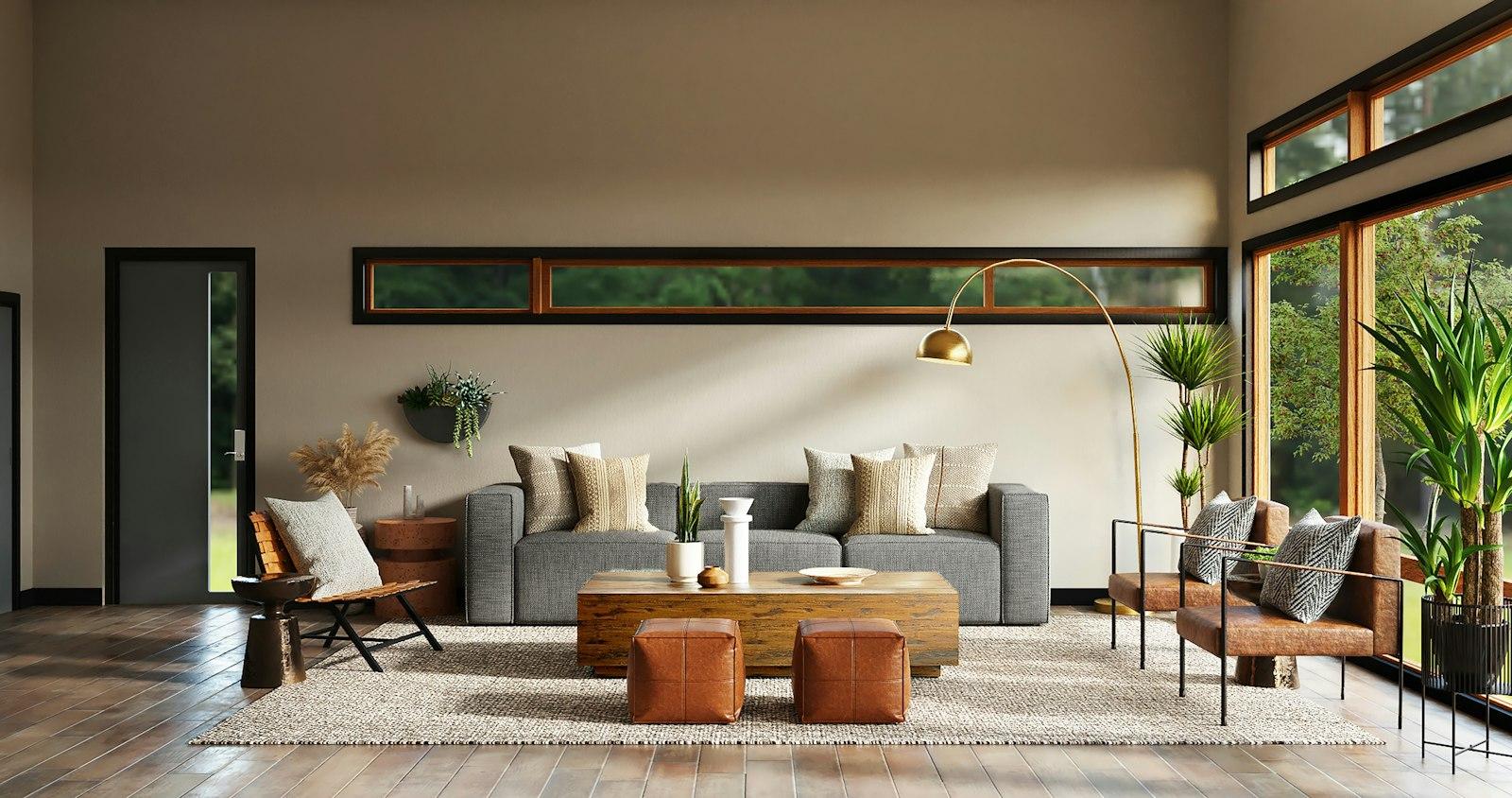
The cheapest and most valuable material in any building is daylight. Used well, it reduces energy use, makes a space feel larger than it is and directly affects the mood of the people living in it.
It all starts with orientation
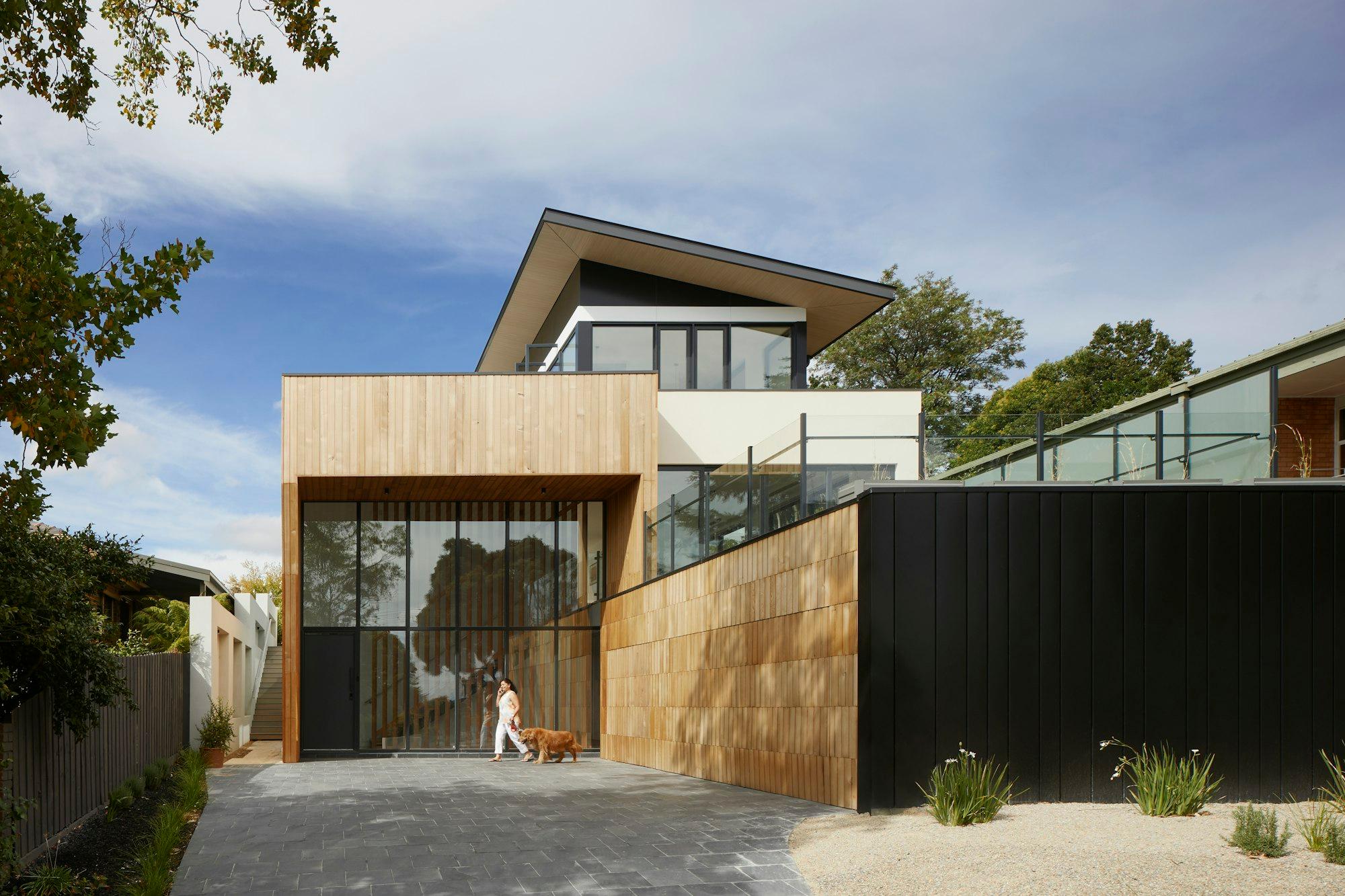
Placing living spaces to the south and service spaces to the north is a well-known principle. But no two sites are alike: the shadows of neighbouring buildings, the view and the prevailing wind can all change that decision. That is why we study the sun’s path across the day and the year before the first sketch.
Not the size of the window, but its place
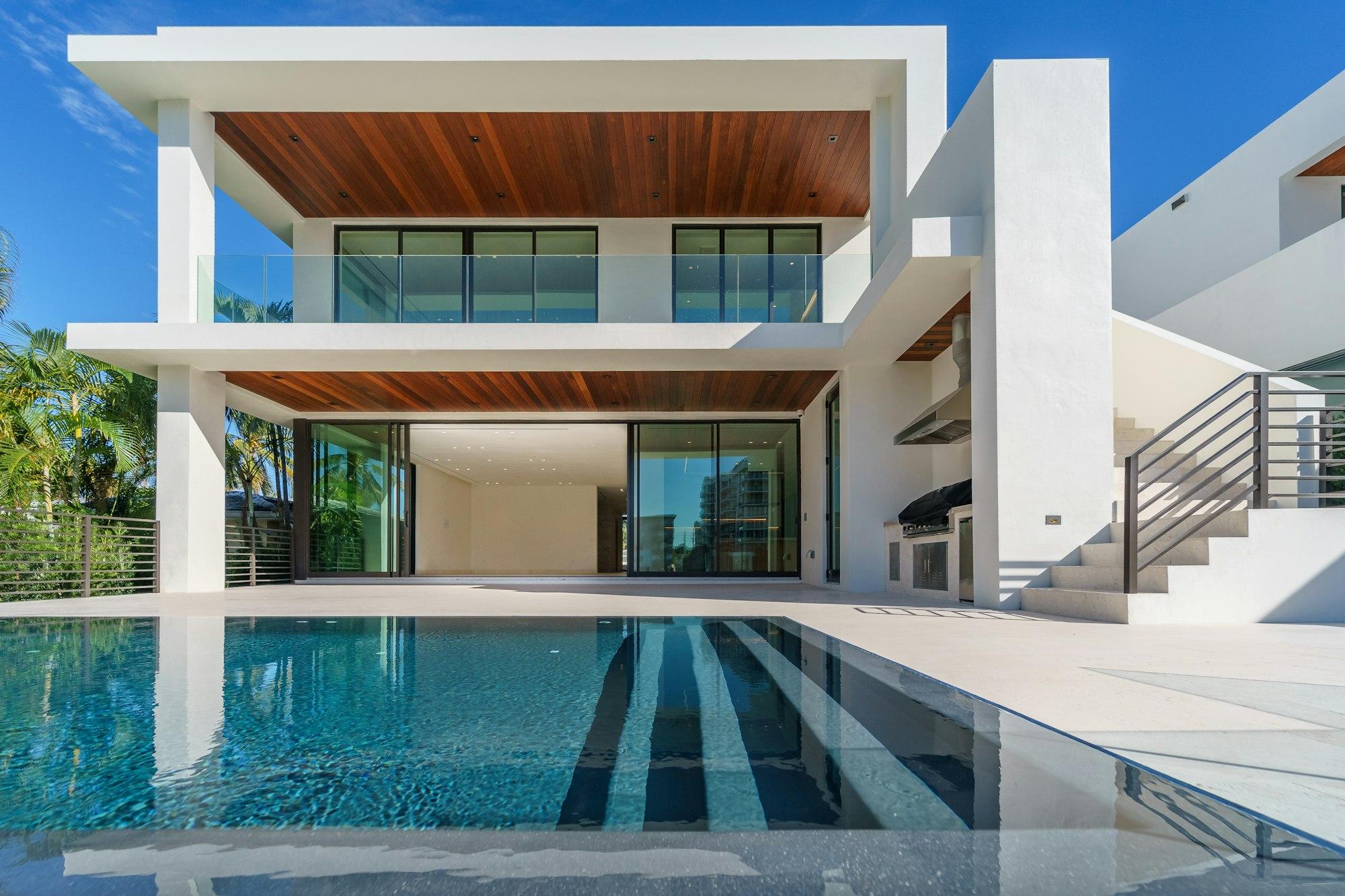
Large glazed surfaces do not always mean better light; on the wrong façade they cause overheating in summer and heat loss in winter. High windows carry light deep into a room, while low windows frame the view.
“Light decides how many different rooms a space can become over the course of a day.”
Shade is part of the design
Eaves, sunscreens and trees block the summer sun while letting the winter sun in. A well-designed shading element significantly reduces the need for mechanical cooling.